








Giải trí
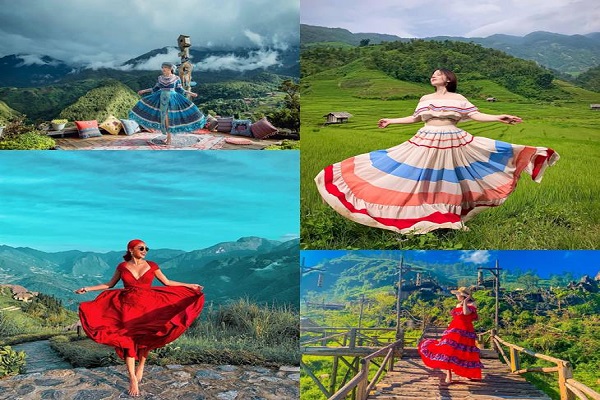
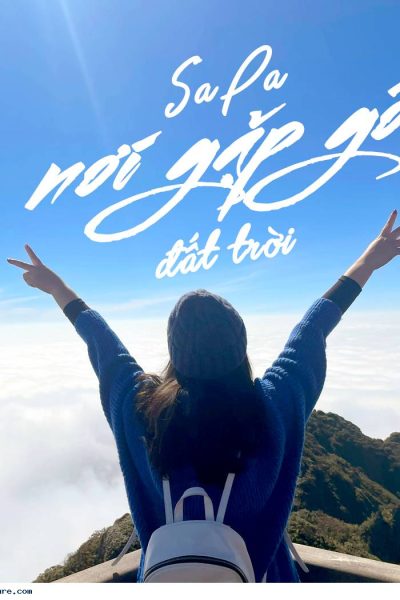
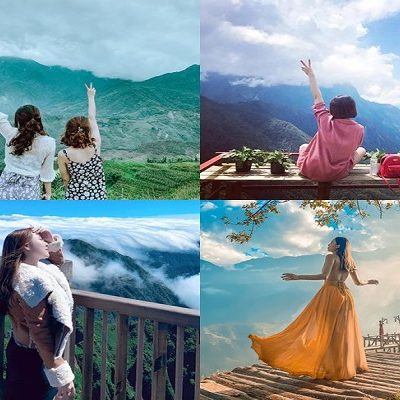
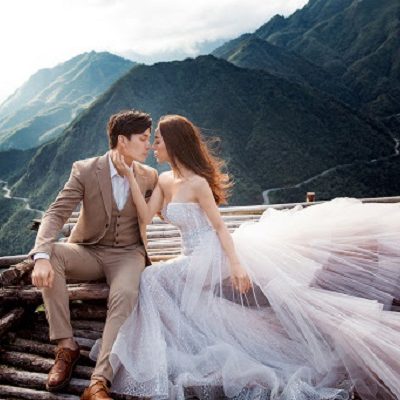
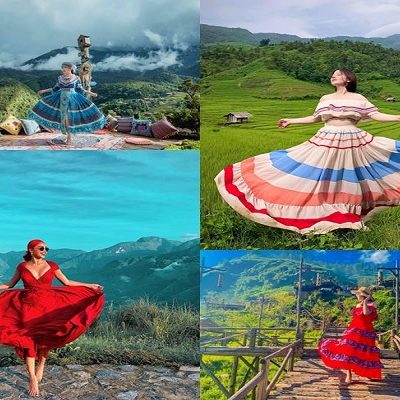
Bật mí cách tạo dáng chụp ảnh Sapa tuyệt đẹp
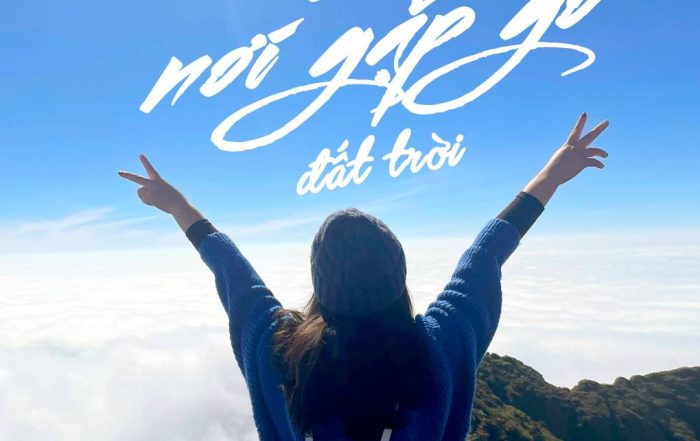
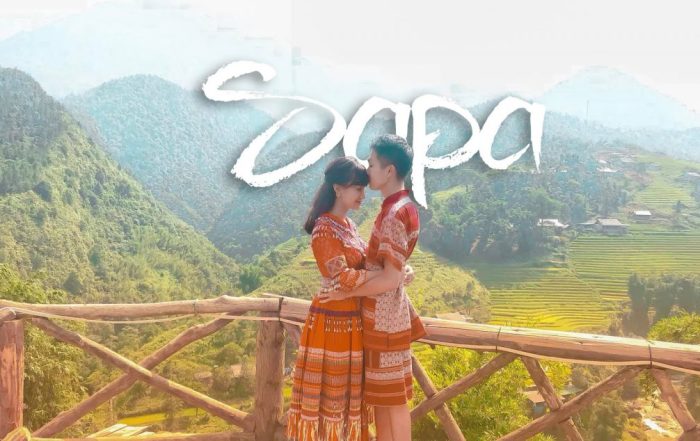
Sapa là nơi có thiên nhiên hùng vĩ với nhiều các địa điểm check in sống ảo đẹp nên khi đến đây ai cũng muốn lưu giữ lại những kỉ niệm đẹp. Bài viết dưới đây sẽ hướng dẫn bạn cách tạo dáng chụp ảnh Sapa đẹp. Cách tạo dáng chụp ảnh Sapa đẹp Sapa […]
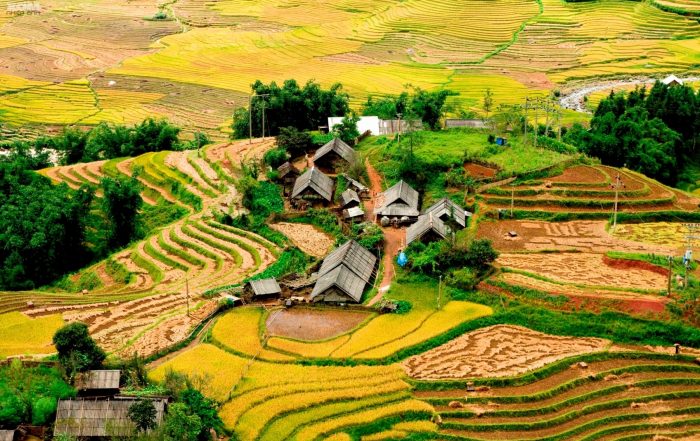
Bản Tả Phìn Sapa có gì hấp dẫn du khách tham quan
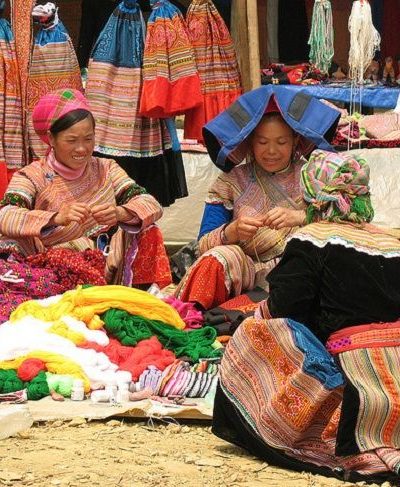
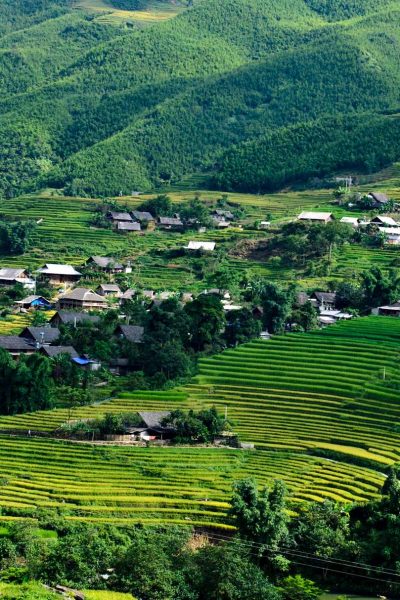
Tả Phìn Sapa là nơi sinh sống lâu đời của nhiều thế hệ đồng bào Dao đỏ. Đây là một trong những bản làng Sapa đẹp nhất với những nét văn hóa đặc sắc, thu hút nhiều du khách ghé tới tham quan, khám phá. Đường đi vào bản Tả Phìn Sapa Bản Tả Phìn nằm […]